
SarokaFi

For roofing contractors

Know What Every Roof Made, Square by Square

You bid by the square, but your books run on supplier statements and a bank balance. We tie shingles, tear-off, crew pay and insurance money back to each roof, so storm season leaves cash in the bank instead of a stack of supplier bills.

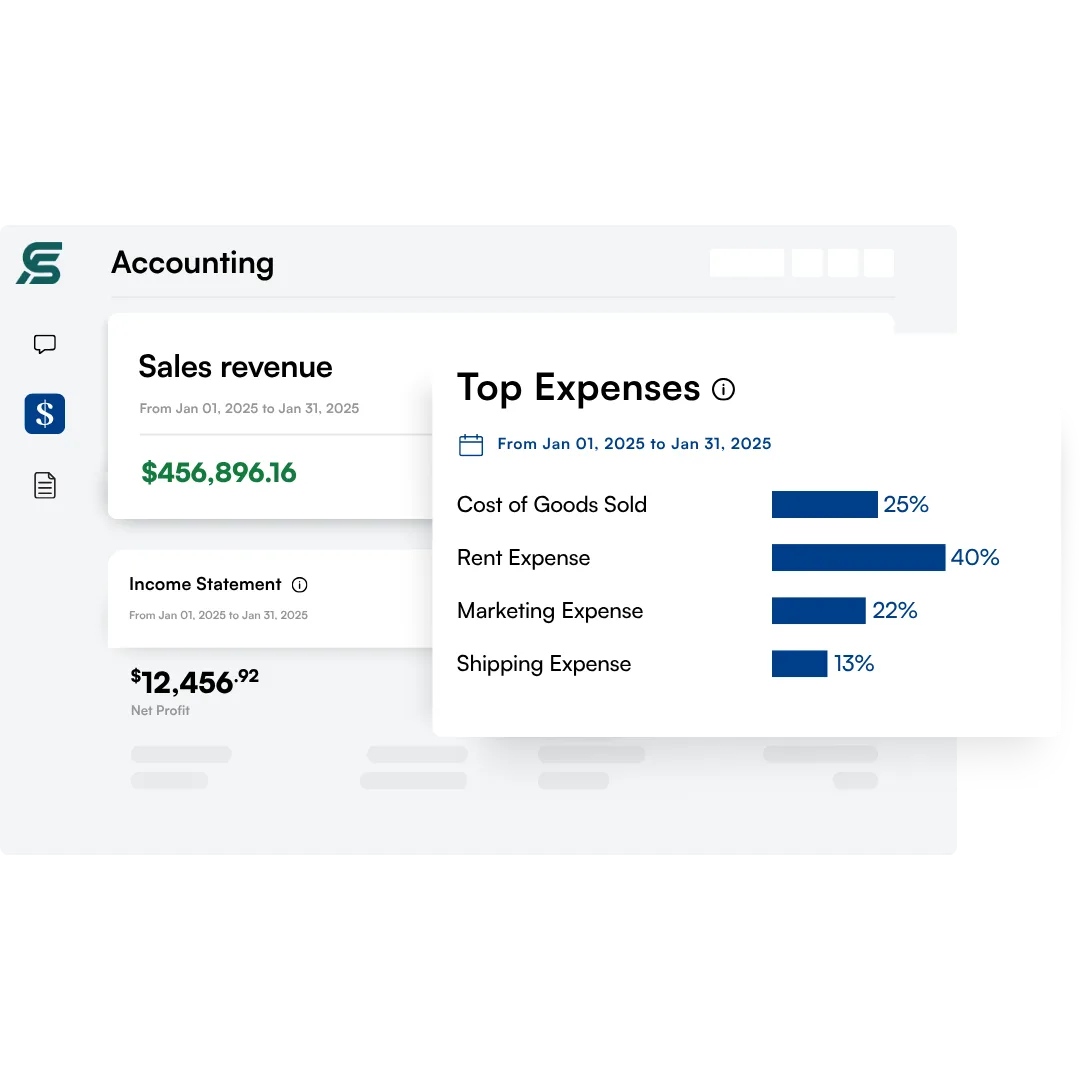
Accounting dashboard with sales revenue and top expenses by category

Sound familiar?

Built for roofing contractors.

Residential reroofs, storm and insurance restoration, new construction and commercial low-slope roofing

  • “Storm season was our biggest ever and the bank account doesn’t show it.”
  • “The supplier statement shows up and I can’t tell which roofs those bundles went on.”
  • “We’re still waiting on the mortgage company to endorse checks for roofs we finished months ago.”
  • “We hit bad decking on half the tear-offs last month, and I don’t know if we ever billed for it.”
  • “My crews get the same rate per square whether it’s a ranch or a steep two-story, and I’ve stopped knowing if that works for me.”

Job costing, your way

What we track on every roofing job

01

Material costs on every job

On a roof, materials are ordered by the square and paid by the statement, and the two rarely get matched up.

  • Shingles, underlayment and ice & water shield by the square, against the supplier statement
  • Drip edge, flashing, pipe boots, vents and ridge cap coded to the roof they went on
  • Supplier price increases between the bid and the delivery
  • Returned bundles and leftover materials credited back to the right job
  • Plywood or OSB decking replaced on the job, by the sheet
  • Membrane, insulation board and fasteners on low-slope commercial work
02

True labor costs

Paying crews by the square makes payroll predictable, but the square rate hides pitch, layers and rework.

  • Crew pay per square, with steep and high charges broken out
  • Hourly time for tear-off, decking and detail work
  • Labor burden on your own employees: payroll taxes, workers’ comp and insurance
  • Subcontracted crews’ 1099s, certificates of insurance and lien waivers
  • Return trips for leaks, punch lists and warranty callbacks
  • Weather days and crews sent home after they’ve already loaded up
03

Hidden project costs

The costs that sink a roof’s margin usually show up after the crew is already on it.

  • Dumpsters, dump fees and tear-off disposal by job
  • Extra layers found once the first layer comes off
  • Permits, inspections and code-required upgrades
  • Lifts, conveyors and fall-protection equipment
  • Fuel, lodging and trailers for out-of-area storm work
  • Warranty callbacks and leak repairs charged back to the original roof
04

Margins & markup — bid vs. actual

We compare what you bid per square with what the roof actually cost per square, one job at a time.

  • Bid vs. actual cost per square on every roof
  • Retail jobs and insurance jobs reported separately
  • Supplement requested vs. supplement approved
  • Margin by roof type: architectural shingle, metal, low-slope
  • Markup that covers your overhead, not just materials and crew
05

Cash timing

A retail roof pays when it’s done; an insurance roof pays when the carrier, the homeowner and sometimes the mortgage company all sign off.

  • Supplier due dates against what’s actually been collected
  • Insurance receivables by stage: first check, supplement, depreciation release, final
  • Homeowner deductibles collected and tracked by job
  • Mortgage-company checks waiting on endorsement or inspection
  • Storm-season cash set aside for winter overhead with Profit First
06

Change orders & scope creep

Most roof changes are found on the roof, and they only get paid if someone writes them up before the crew comes down.

  • Decking replacement documented with photos and sheet counts
  • Extra tear-off layers billed to the homeowner or supplemented
  • Code upgrades and added ventilation priced and approved
  • Homeowner upgrades: shingle line, color, gutters, skylights
  • Supplements filed, approved and actually collected

Know your target

What margin should roofing contractors aim for?

Shingles and membrane are a big share of every job, and storm-driven competition plus marketing and sales commissions squeeze net margin even when gross looks healthy. Repair work carries more than full replacements; commercial roofing bid through GCs runs lower.

A 25% gross margin means pricing at about a 33% markup over your job costs, not 25%. Check a job →

Typical gross margin

Residential replacement & repair25–35%

Net profit after overhead: 3–8% (before income tax)

Commonly cited estimating targets — no published industry survey for this trade

Gross margin = revenue minus direct job costs (materials, field labor with burden, subs, job equipment). How you classify labor and equipment can move it by several points — your own job costs are the number that counts.

Your monthly numbers

What you’ll see every month

  • Cost per square installedThe number every bid rests on, from your finished roofs instead of last spring’s quote.
  • Gross margin: retail vs. insuranceThey earn differently and pay on different clocks; one blended number hides both.
  • Supplements requested, approved and collectedShows whether your insurance process is leaving money with the carrier.
  • Insurance receivables by stageTells you exactly which checks to chase this week.
  • Warranty and callback costWhat leaks and repairs cost you after the job was supposed to be finished.

The difference

Cost per square from your own roofs, not the supplier’s quote

Every roofing bid starts with a price per square. Most roofers set it from a supplier quote and a crew rate, then never check it against what the roof really cost once dumpsters, extra layers, decking and callbacks come in. We build job costing so cost per square comes out of your finished jobs, split between retail and insurance work, so you can reprice before the next storm instead of after it.

Client results

What Our Clients Say

Running Refined before we had Scott and his team on board to help us out was almost like running blind. We had just had our biggest year, and the little ball we roll was getting too big for me to keep everything in my head — things were starting to slip a bit.

Now we can say with confidence that we know where we stand financially at almost any given time. If we have questions, it’s not hard to get them answered within a day or two.

When you don’t know for sure where you’re at financially, you tend to make poor decisions for your business. It’s not hard at all for me to justify the money we spend with SarokaFi. It’s been a life saver.

Grant Refined Concrete

I’m on my 4th year running my business. The first 2 years I did not have SarokaFi and was having serious cash flow and cash management problems.

The last 2 years Scott and his team have turned things around, and now I am starting to be profitable and cash flow is seamless. Very highly recommend.

Parker Google review

Pricing

Pay only for what you need — or bundle and save.

  • Pick only the services you need
  • Up to 15% off when you start several together
  • Sign on within 15 days: onboarding fee waived

Let’s look at your numbers

See what SarokaFi would cost in about two minutes, or book a free Profit Assessment and we’ll look at how your jobs are costed today — and be honest about whether we’re the right fit.