
SarokaFi

For plumbing contractors

Every Fitting on the Ticket, Every Phase on the Job

Service plumbing lives and dies by the ticket; new construction by the phase. Both leak money the same way: parts that never get billed, callbacks nobody tracks and trenches that cost more than anyone planned. We build the books that show where each side of your business makes or loses money.

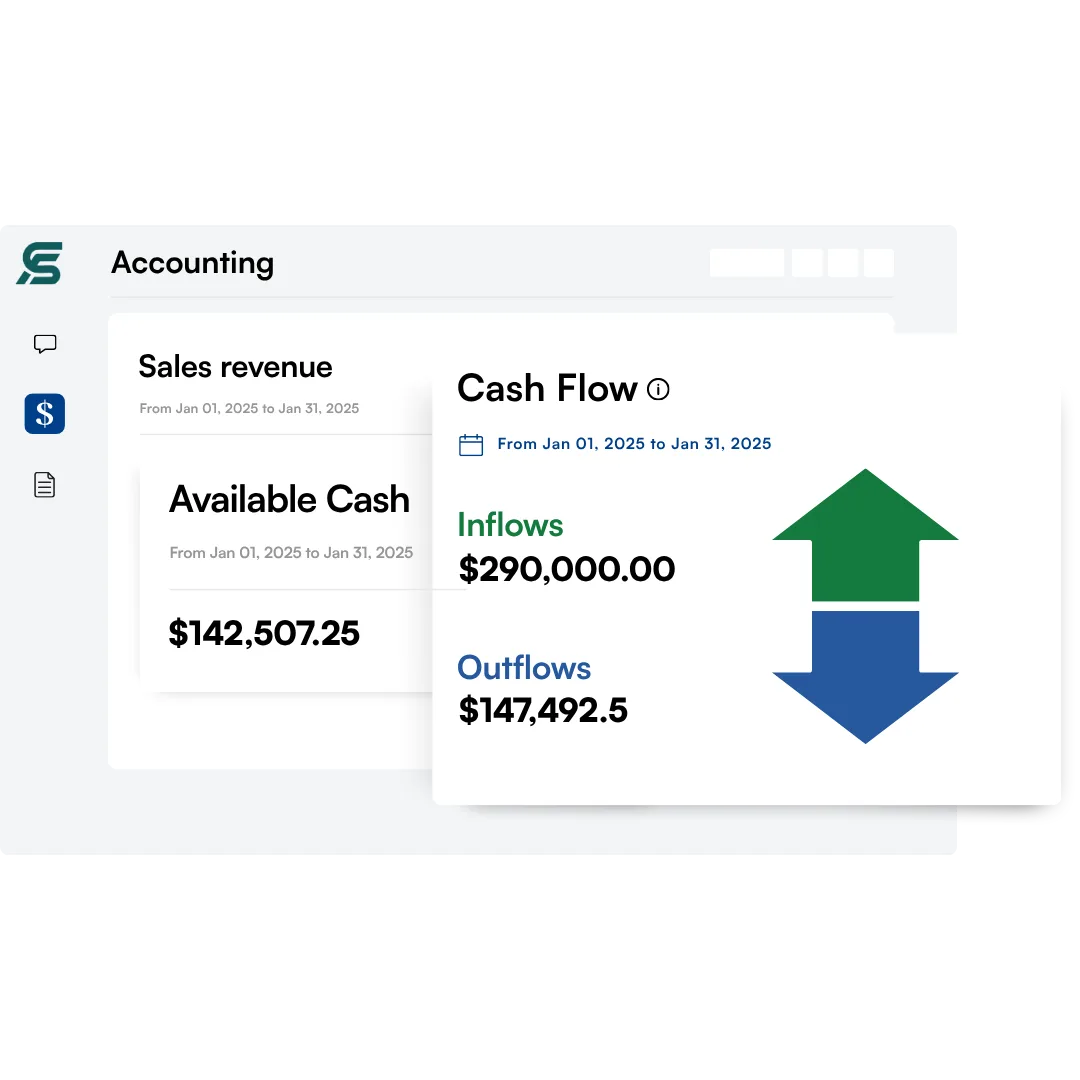
Cash-flow dashboard showing available cash, inflows and outflows

Sound familiar?

Built for plumbing contractors.

Residential and commercial service, repipes, water heaters, new construction and underground work

  • “My plumbers restock their own trucks at the supply house and I have no idea what went where.”
  • “Our flat-rate book hasn’t been touched since before the last round of price increases.”
  • “The builders pay whenever they feel like it, and the service side is covering their payroll.”
  • “We dug up a yard for a sewer line and the restoration cost more than the repair.”
  • “Callbacks are free for the customer, and I don’t know what they cost me.”

Job costing, your way

What we track on every plumbing job

01

Material costs on every job

Plumbing materials move through the supply house counter and the truck, and both need to land on the job.

  • PEX, copper, PVC/ABS and cast iron pipe and fittings by job
  • Fixtures and trim: contractor-supplied, builder-supplied or allowance
  • Water heaters, tankless units and expansion tanks by serial number and job
  • Truck inventory restocked against what was billed on tickets
  • Supply house counter tickets matched to the job they were for
  • Valves, stops, drains and supply lines on service calls
02

True labor costs

On service, profit rides on billable hours; on construction, it rides on hours per fixture and per phase.

  • Billable vs. paid hours by plumber
  • Construction hours by phase: underground, rough-in, finish
  • Hours per fixture against the estimate
  • Labor burden: payroll taxes, workers’ comp, benefits and the truck
  • Drive time and supply house runs
  • Licensed plumber and apprentice mix on each job
03

Hidden project costs

The surprises in plumbing are usually underground or behind a wall.

  • Excavation, trenching and concrete saw-cutting
  • Restoration: backfill, concrete, drywall and landscaping
  • Permits, inspections and failed pressure tests
  • Jetter, camera and locator time by job
  • Callbacks and warranty work charged back to the original job
  • Fuel, insurance and maintenance by truck
04

Margins & markup — bid vs. actual

We report service and construction margins separately, so one can’t hide the other.

  • Service vs. construction gross margin every month
  • Flat-rate prices checked against current parts and labor cost
  • Estimated vs. actual by phase on construction jobs
  • Markup on water heaters and fixtures
  • Repipes and sewer replacements vs. small service calls
05

Cash timing

Service gets paid at the door; builders pay on draws, often with retainage held back.

  • Service collected on the spot vs. left in receivables
  • Builder draws by phase, billed the day the inspection passes
  • Retainage billed after final inspection
  • Supply house account terms vs. what’s been collected
  • Profit First accounts so service cash isn’t quietly financing the builders
06

Change orders & scope creep

Plumbing changes cost the most after the walls are closed.

  • Fixture changes after rough-in priced and signed
  • Layout moves from the builder or homeowner
  • Extra repairs found on service calls added to the ticket
  • Extra excavation or restoration billed when it’s found
  • Corrections the inspector requires

Know your target

What margin should plumbing contractors aim for?

Service plumbing is labor-driven, flat-rate and sold straight to the owner, so its margin is high. New-construction plumbing is bid to GCs and builders with heavy pipe and fixture cost, and runs at specialty-trade norms.

A 20% gross margin means pricing at about a 25% markup over your job costs, not 20%. Check a job →

Typical gross margin

New construction & commercial20–30%
Service & repair45–60%

Net profit after overhead: 5–10% (before income tax)

Commonly cited estimating targets — no published industry survey for this trade

Gross margin = revenue minus direct job costs (materials, field labor with burden, subs, job equipment). How you classify labor and equipment can move it by several points — your own job costs are the number that counts.

Your monthly numbers

What you’ll see every month

  • Revenue per service callYour average ticket, against what it costs to roll a truck and a plumber.
  • Service vs. construction gross marginShows whether the builders are worth what they tie up.
  • Billable hours per plumberHow much of a paid day turns into time a customer pays for.
  • Estimated vs. actual hours by phaseShows whether rough-in or finish is where construction jobs slip.
  • Callback costHours, parts and truck time spent going back to finished work.

The difference

Truck stock is a job cost, not a shop expense

Most plumbing companies buy at the supply house, restock the trucks and expense the whole bill. That makes material look like overhead and hides the parts that went out on a call but never onto a ticket. We set up truck inventory and job coding so parts follow the work they went into. Then flat rates are built on real cost, and the gap between what left the truck and what got billed is a number you can see.

Client results

What Our Clients Say

Running Refined before we had Scott and his team on board to help us out was almost like running blind. We had just had our biggest year, and the little ball we roll was getting too big for me to keep everything in my head — things were starting to slip a bit.

Now we can say with confidence that we know where we stand financially at almost any given time. If we have questions, it’s not hard to get them answered within a day or two.

When you don’t know for sure where you’re at financially, you tend to make poor decisions for your business. It’s not hard at all for me to justify the money we spend with SarokaFi. It’s been a life saver.

Grant Refined Concrete

I’m on my 4th year running my business. The first 2 years I did not have SarokaFi and was having serious cash flow and cash management problems.

The last 2 years Scott and his team have turned things around, and now I am starting to be profitable and cash flow is seamless. Very highly recommend.

Parker Google review

Pricing

Pay only for what you need — or bundle and save.

  • Pick only the services you need
  • Up to 15% off when you start several together
  • Sign on within 15 days: onboarding fee waived

Let’s look at your numbers

See what SarokaFi would cost in about two minutes, or book a free Profit Assessment and we’ll look at how your jobs are costed today — and be honest about whether we’re the right fit.