
SarokaFi

For HVAC contractors

Service, Change-Outs and Agreements: Know Which One Pays

An HVAC company is really three businesses: service calls, replacements and new construction, and maintenance agreements. Each one makes money differently, and a single P&L mashes them together. We set up the books so you can see which side is carrying the others, and plan cash around the summer and winter rush.

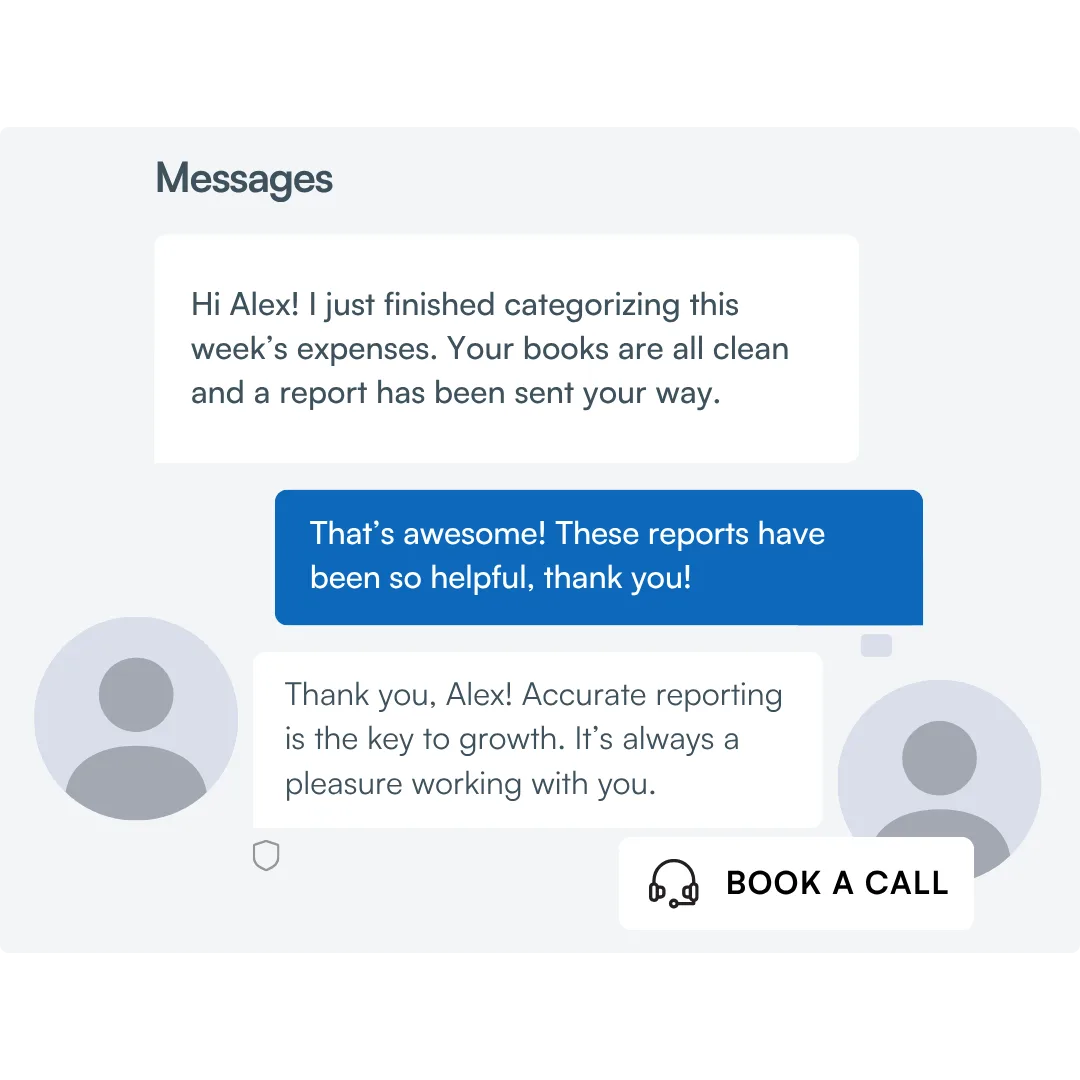
Client messages with the SarokaFi team about clean books and monthly reports

Sound familiar?

Built for HVAC contractors.

Residential service and replacement, maintenance agreements, new construction and light commercial HVAC

  • “We ran calls nonstop all July and I still don’t know if service or installs made the money.”
  • “My techs pull parts off the truck all day and half of them never make it onto a ticket.”
  • “We sell maintenance agreements, but I couldn’t tell you how many renewed last year.”
  • “Spring and fall are so slow I’m covering payroll out of the line of credit.”
  • “A warranty callback eats a whole afternoon and nobody bills anybody for it.”

Job costing, your way

What we track on every hvac job

01

Material costs on every job

On HVAC work the equipment is the big-ticket line and truck stock is the leak.

  • Condensers, furnaces, air handlers, heat pumps and mini-splits by serial number and job
  • Line sets, ductwork, fittings and transitions on every change-out
  • Refrigerant by the pound, purchased vs. charged on tickets
  • Thermostats, controls, pads, disconnects and whips
  • Truck stock restocked against what was billed on tickets
  • Manufacturer rebates and distributor credits applied to the right job
02

True labor costs

Technician hours are what you sell on the service side, and installer hours decide the change-out margin.

  • Billable hours vs. paid hours by technician
  • Drive time, shop time and parts runs kept apart from billable time
  • Install crew hours per change-out against the estimate
  • Labor burden: payroll taxes, workers’ comp, benefits and the truck
  • On-call and overtime pay during heat waves and cold snaps
  • Training and certification hours
03

Hidden project costs

A lot of what lands in overhead at an HVAC company is job cost in disguise.

  • Permits and inspections on every replacement
  • Crane or lift rental for rooftop units
  • Old equipment disposal and refrigerant recovery
  • Warranty labor the manufacturer doesn’t reimburse
  • Dealer fees on jobs sold with consumer financing
  • Fuel, insurance and maintenance by truck
04

Margins & markup — bid vs. actual

We report each side of the business on its own, so a strong install month can’t hide weak service pricing, or the other way around.

  • Service vs. install gross margin, every month
  • Estimated vs. actual cost on every change-out
  • Flat-rate prices checked against current parts and labor cost
  • Equipment markup by brand and system tier
  • Maintenance visits: what they cost vs. what the agreement brings in
05

Cash timing

Heat waves and cold snaps bring cash in fast; the shoulder seasons don’t, while payroll and truck payments keep coming.

  • Peak-season cash set aside for spring and fall with Profit First
  • Maintenance agreement revenue recognized as visits are done, not all up front
  • Financing company funding and holdbacks
  • Distributor terms and equipment bills due vs. jobs collected
  • Builder and commercial receivables on new construction
06

Change orders & scope creep

HVAC changes get sold in the driveway and done in the attic, and they only get paid if they land on the ticket.

  • Duct modifications and added returns priced before the work
  • Electrical upgrades, new circuits and disconnects
  • Add-ons sold on site: air cleaners, humidifiers, zoning, upgraded thermostats
  • Builder layout changes on new construction
  • Customers moving up a system tier after the original quote

Know your target

What margin should HVAC contractors aim for?

Service and maintenance is labor-driven, priced flat-rate and not bid, so it earns the most. Replacements carry a large equipment cost. Commercial new construction is bid through GCs. Maintenance agreements smooth out tech utilization, which is what protects net margin.

A 20% gross margin means pricing at about a 25% markup over your job costs, not 20%. Check a job →

Typical gross margin

Commercial / new construction20–25%
Residential replacement35–45%
Service & maintenance50–60%

Net profit after overhead: 5–10% (before income tax)

Public-company filings and industry data

Gross margin = revenue minus direct job costs (materials, field labor with burden, subs, job equipment). How you classify labor and equipment can move it by several points — your own job costs are the number that counts.

Your monthly numbers

What you’ll see every month

  • Service vs. install gross marginShows which side of the business is carrying the other.
  • Technician billable efficiencyBillable hours against paid hours by tech, the number service profit rests on.
  • Maintenance agreement count and renewalsRecurring revenue that smooths the slow seasons, from the customers who call you first.
  • Average replacement ticket vs. costKeeps install pricing in step with what equipment costs you now.
  • Callback hours and costWhat warranty and repeat visits cost you in tech time and parts.

The difference

Give service, replacements and agreements their own books

Service earns on technician time and flat rates. Replacements earn on equipment and install labor. Maintenance agreements earn slowly and feed the other two. We set up classes in QuickBooks so each has its own revenue, costs, overhead share and margin. Then you price, hire and add trucks based on the side that is actually making money, not the one that feels busiest.

Client results

What Our Clients Say

Running Refined before we had Scott and his team on board to help us out was almost like running blind. We had just had our biggest year, and the little ball we roll was getting too big for me to keep everything in my head — things were starting to slip a bit.

Now we can say with confidence that we know where we stand financially at almost any given time. If we have questions, it’s not hard to get them answered within a day or two.

When you don’t know for sure where you’re at financially, you tend to make poor decisions for your business. It’s not hard at all for me to justify the money we spend with SarokaFi. It’s been a life saver.

Grant Refined Concrete

I’m on my 4th year running my business. The first 2 years I did not have SarokaFi and was having serious cash flow and cash management problems.

The last 2 years Scott and his team have turned things around, and now I am starting to be profitable and cash flow is seamless. Very highly recommend.

Parker Google review

Pricing

Pay only for what you need — or bundle and save.

  • Pick only the services you need
  • Up to 15% off when you start several together
  • Sign on within 15 days: onboarding fee waived

Let’s look at your numbers

See what SarokaFi would cost in about two minutes, or book a free Profit Assessment and we’ll look at how your jobs are costed today — and be honest about whether we’re the right fit.