
Profitable on Paper, Broke in the Bank
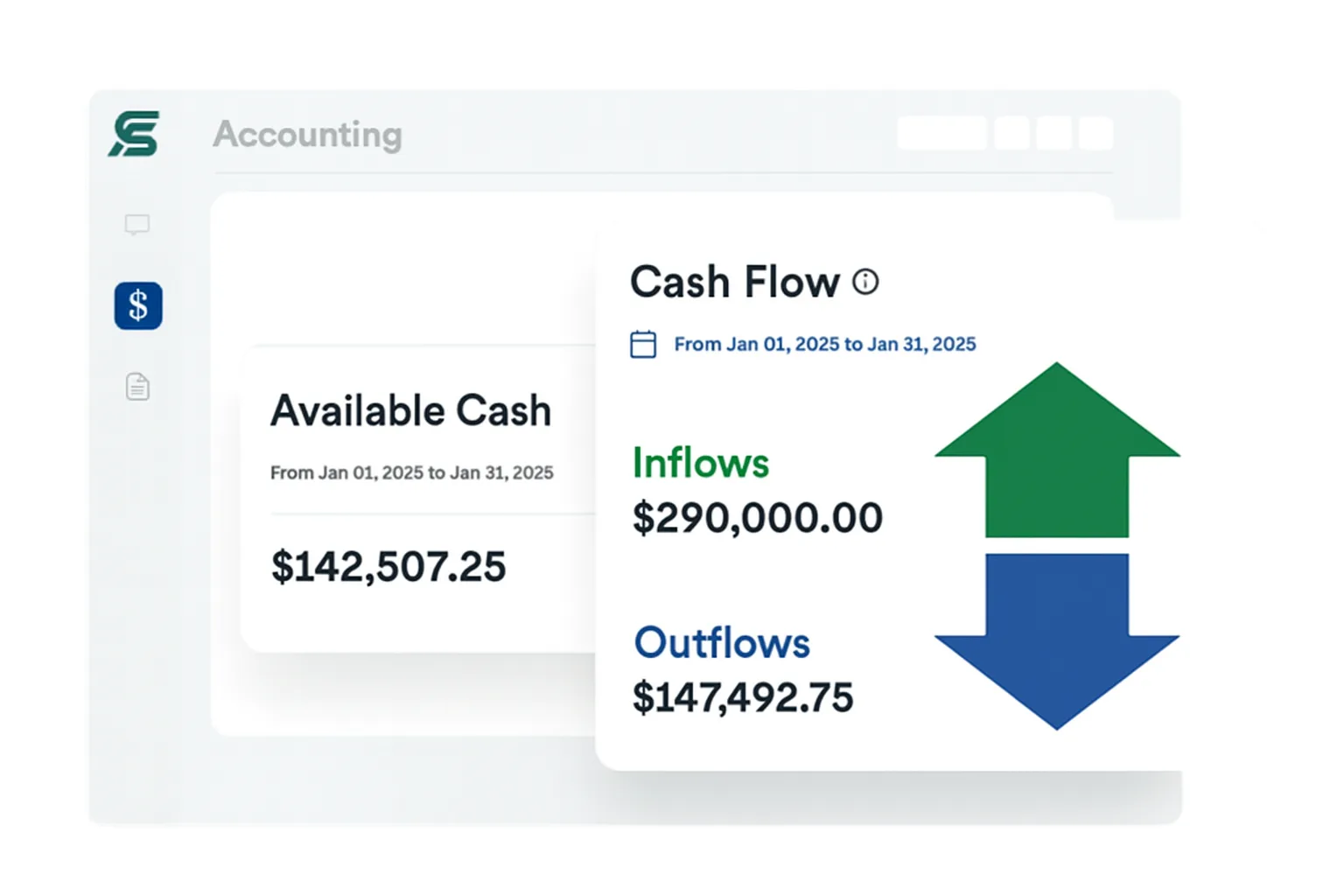
There is a specific kind of frustration that belongs to contractors: your accountant says you had a good year, and you cannot understand where the money went.
You are not being lied to, and you did not lose it. Profit and cash are two different measurements, and in construction the gap between them is unusually wide.
Why the two numbers disagree
Profit is earnings minus costs over a period. Cash is what is actually in the account. Several things drive them apart, and contracting hits most of them at once.
You pay before you get paid. Materials and payroll go out at the start of a job. The invoice goes out at the end, and terms mean the money arrives weeks after that. Every growing job widens the gap.
Receivables are profit you do not have yet. A completed, invoiced, unpaid job is profit on the books and nothing in the bank. Two slow-paying customers can make a profitable quarter feel like a bad one.
Equipment purchases barely touch the profit and loss. Buy a $60,000 truck and it leaves the account immediately, but only a fraction shows as depreciation this year. Cash is down sixty thousand; profit barely moved.
Loan principal is invisible on the profit and loss. Interest is an expense. Principal is not. If you are paying down debt, real money leaves every month with no corresponding line on your income statement.
Taxes are owed on profit, not on cash. You can owe tax on earnings that are still sitting in someone elses accounts payable.
Put those together and it is entirely normal for a genuinely profitable contractor to feel broke. It does not mean the business is failing. It means profit was never a measure of liquidity.
What to watch instead
Cash on hand, in weeks. Not dollars — weeks. How long could you cover payroll and obligations if collections stopped? Under four weeks is uncomfortable. Under two is a real risk.
Receivables aging. Anything past sixty days needs a name attached and a phone call scheduled. Aging receivables are the most common cause of cash pressure in an otherwise healthy contracting business.
A rolling forward look. Thirteen weeks is the standard horizon: expected money in, known money out, week by week. It converts cash from something you react to into something you can see coming.
Where Profit First comes in
The reason we implement Profit First for contractors is that it addresses this problem structurally rather than through willpower.
Instead of one account you spend from until it runs low, income is allocated on a schedule into separate accounts with defined purposes — profit, owner pay, taxes, and operating expenses. The tax money is already set aside when the bill arrives. The profit is taken first rather than being whatever remains.
It is a behavioral system more than an accounting one. It works because it makes the right decision the default, instead of something you have to get right every time cash is tight.
The honest version
Most contractors do not have a profit problem. They have a timing problem, and the two feel identical from inside the business.
The fix is not working more hours. It is knowing what is coming, collecting faster, and separating money by purpose before it can be spent on something else.
Once cash stops being a monthly surprise, it becomes much easier to decide whether you can afford the hire, the equipment, or the growth you have been putting off.